Longform, deep-dives, profiles, and more.
The Fruit is Out There
Swarthmore College Bulletin
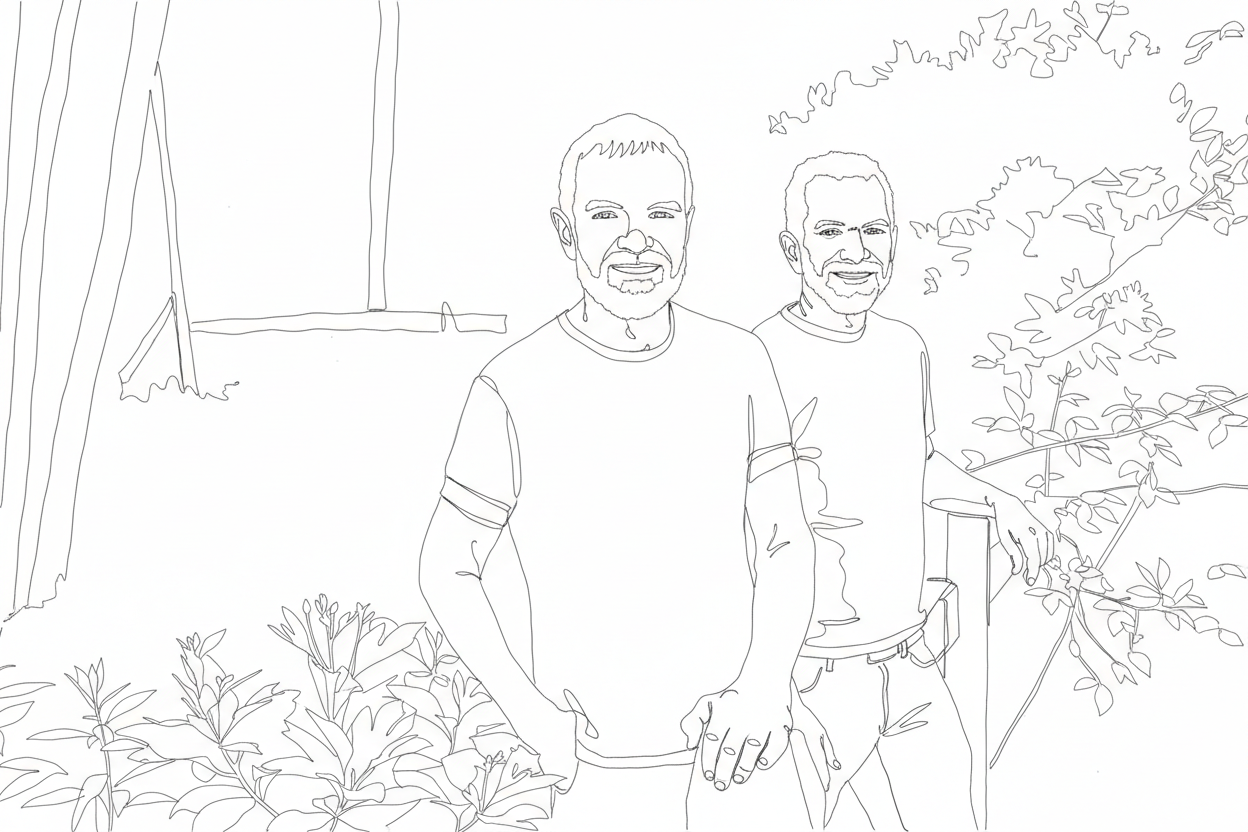
Walking into Latham’s yard, one feels like they’ve wandered much further into the woods than they intended, and perhaps further back into time, too — before this land was cleared and subdivided into private lots, before the Lenape were driven away by European and American colonizers, and even before humans themselves became part of the ecosystem. Venturing deeper into a winding path, lush with leafy understory growth and shaded by towering sugar maples, Latham points out what draws many people to his garden: his pawpaw trees.
Riding Into the Future with The Millennial Trains Project
Freelance for NBCU
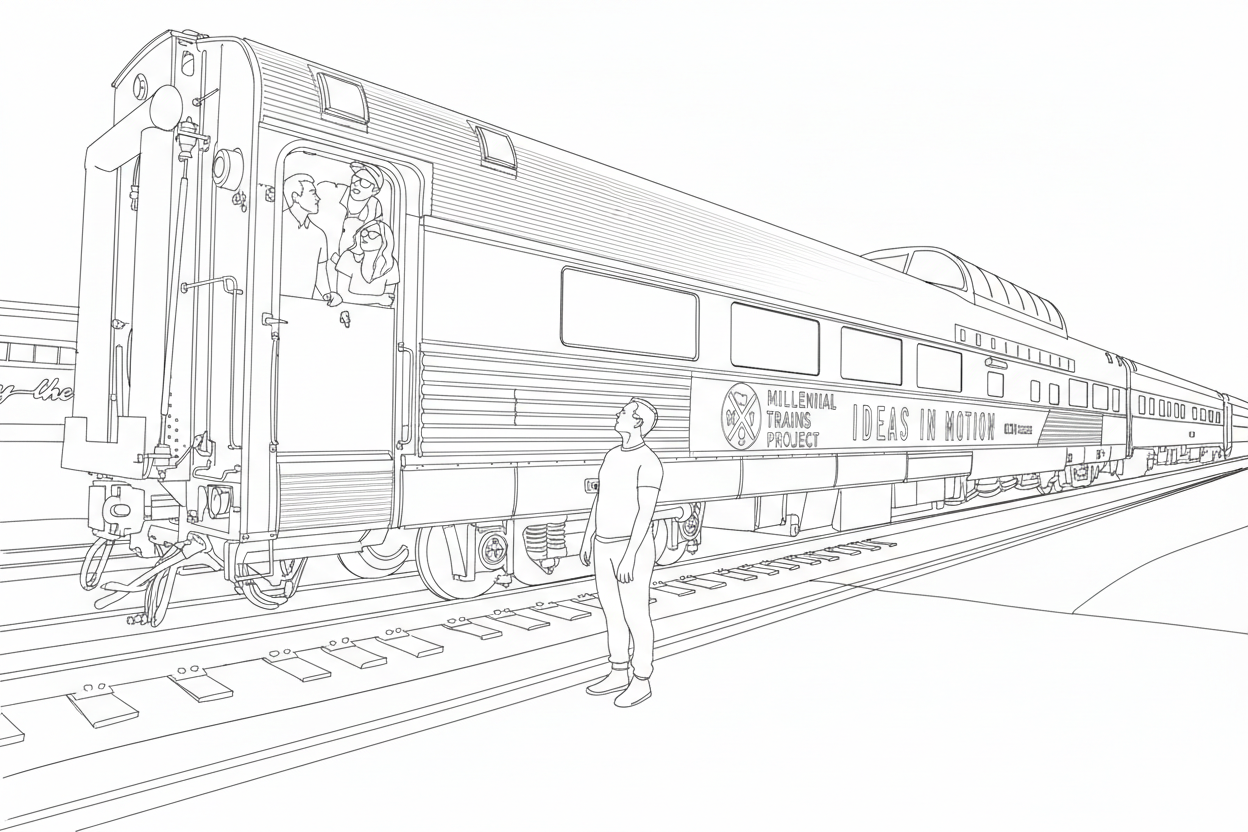
Dowd asks me if I’ve been to the back of the train yet. I haven't. There’s an observation deck with large, open windows on all sides. It’s a good place for fresh air, Dowd tells me. I can feel the train jolt and gradually pick up speed as it enters the long, overnight stretch between Atlanta and Washington, D.C. In the darkness, the rails behind the train look liquid. They rise and fall like waves, appearing and disappearing in the dim taillight. Some passengers call this the “silver snake,” unfurling behind as the train speeds forward.
A Space for Conversation
Swarthmore College Bulletin
“Society tells our boys and our men that they can’t express feelings, they can’t cry, they can’t get mental health care, they shouldn’t talk to other people,” he says. “I’ve had situations where I meet teenagers and I get the response, ‘I didn’t know that men could be therapists.’ It’s baked into our society. And because of all of that stigma that’s forced onto men, they’re severely isolated and cut off from many of the resources that could help.”
What They Breathe Out, We Breathe In
Swarthmore College Bulletin
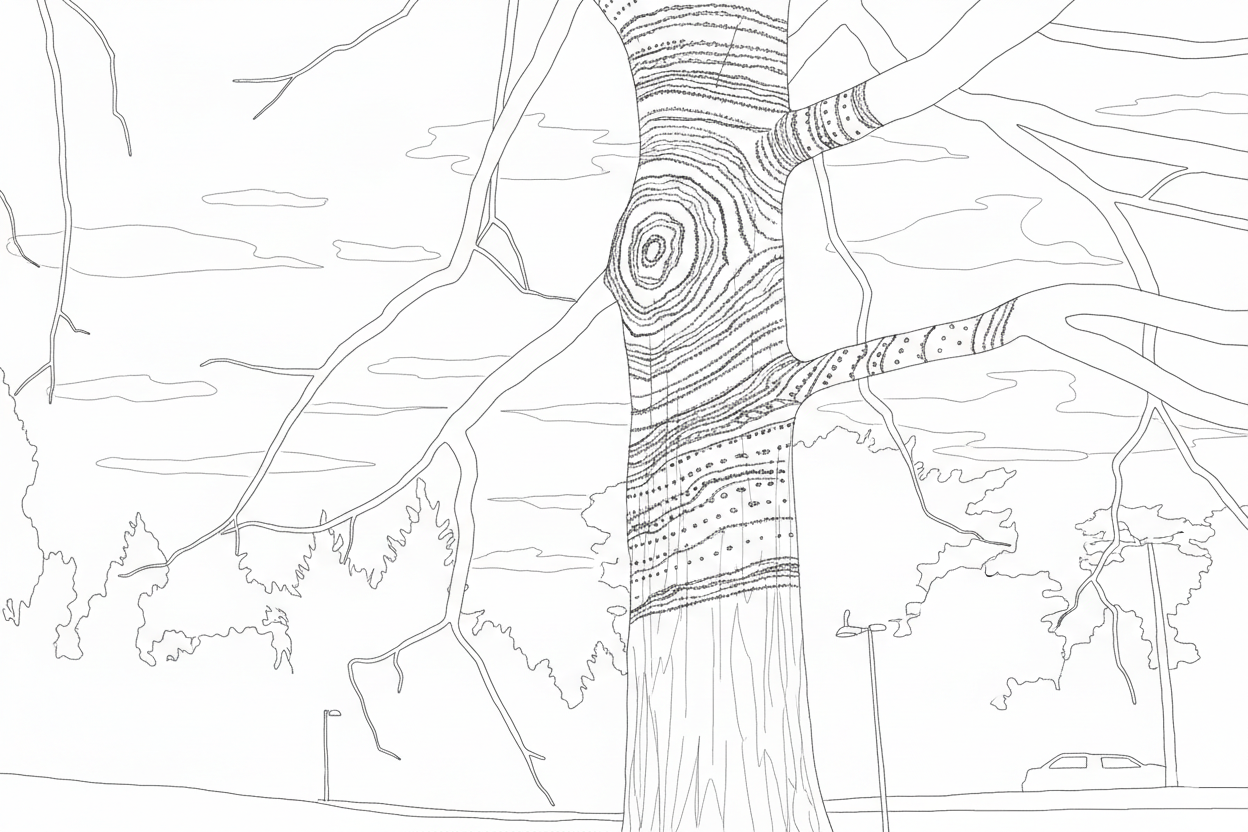
It’s a mild night for February, and the oak trees on campus are glowing. Like growth rings that expand, unseen, inside the trunks of trees, concentric circles of light unfurl across an old white swamp oak on Magill Walk. Elsewhere, illuminated root systems snake into the grass, tiny points of light skitter, bug-like, across another tree, and the serrated grooves of bark — jagged patterns formed over a century — are traced in light.
A Collection Revived
Swarthmore College Bulletin
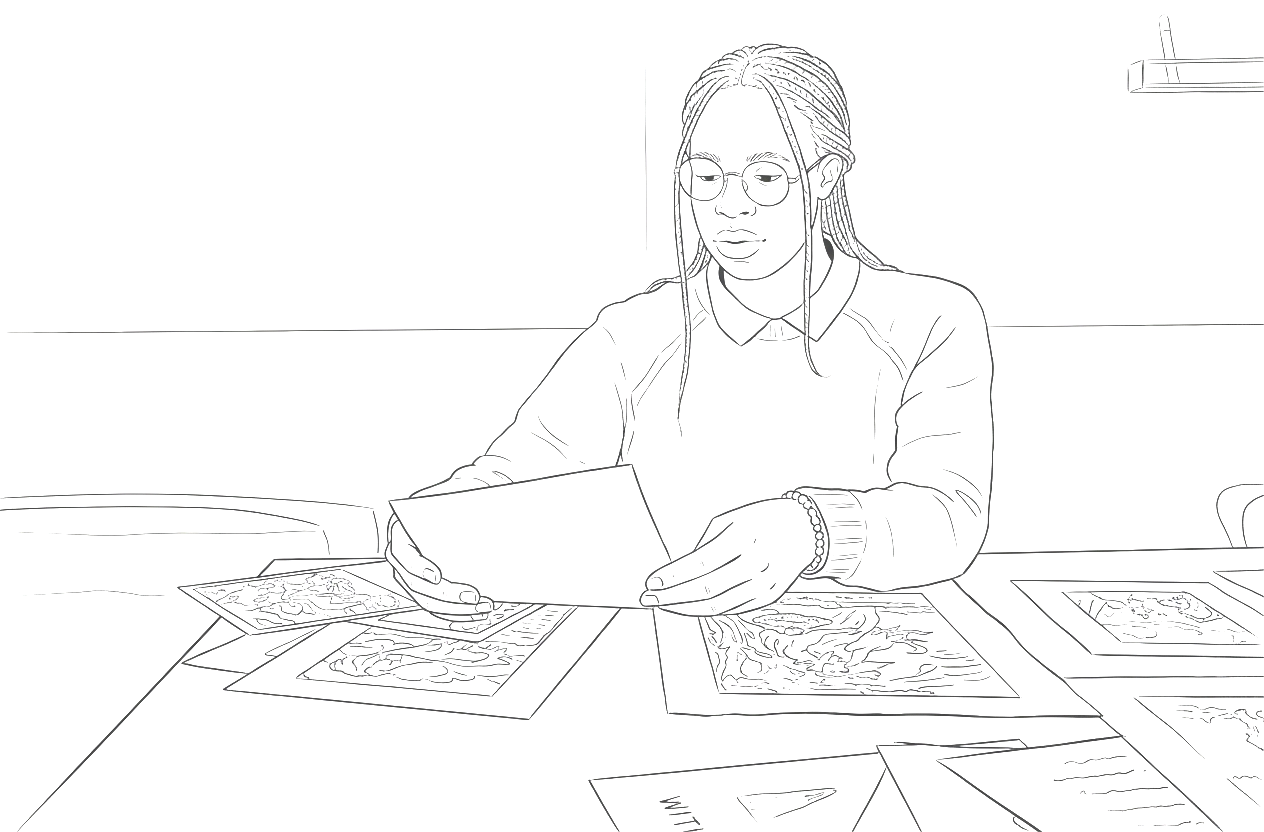
For L’Oiseau, handling these century-old pieces was, at times, “surreal — you can see how intricate the printmaking process is, and how each piece has to be carved by hand.” The Cuala Press prints’ evocative imagery — often inspired by esoterica, including the tarot — also captivated L’Oiseau. “There’s a recurring image of an old man holding an hourglass, and it stuck with me. As I was cataloging, I kept seeing it over and over again. It was intriguing to think about how the artists perhaps used the hourglass not just as a metaphor for the passage of time, but to show us how we’re all still here, and how we’re human.”
A Focus on Black Studies
Swarthmore College Bulletin
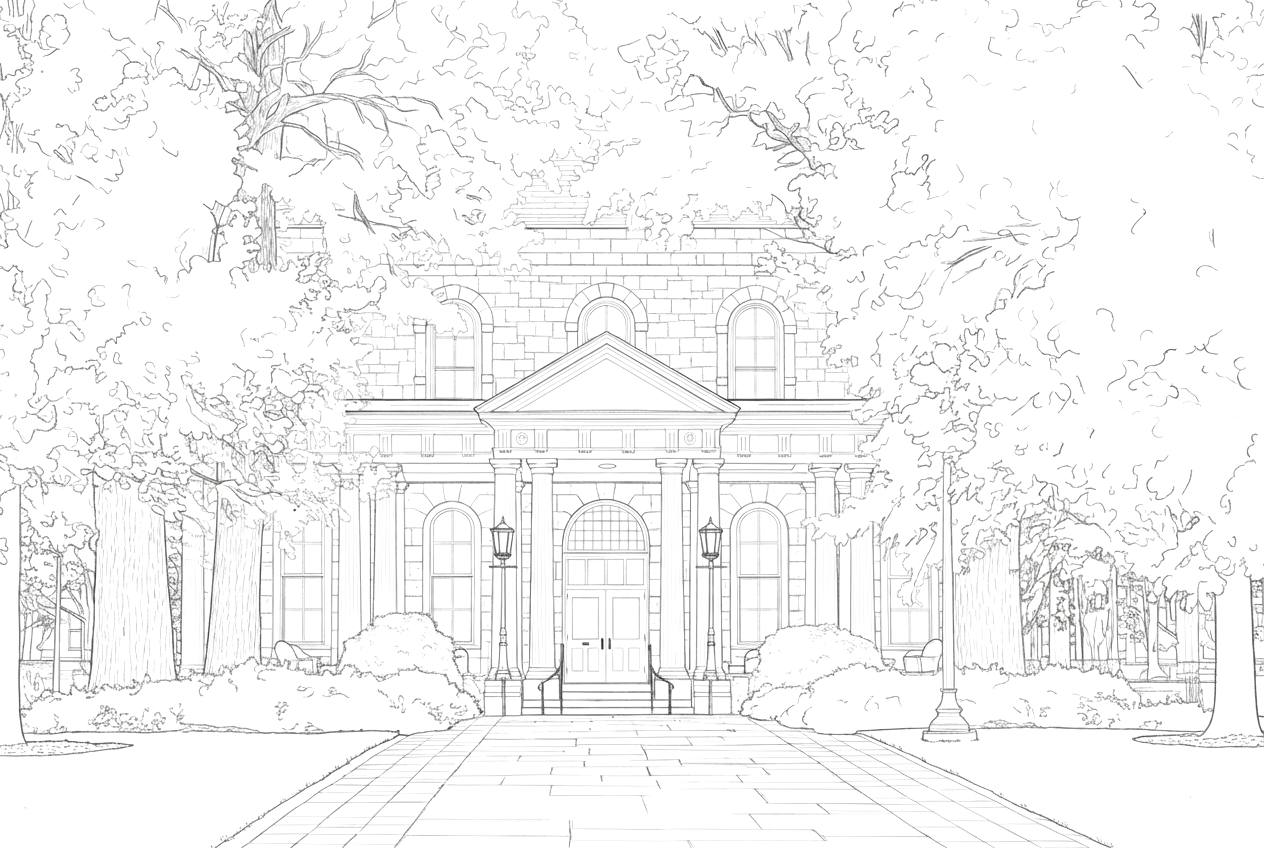
Discussing the importance of sustaining Black studies in the liberal arts, Holifield poses the question, What is considered a well-educated 21st-century global citizen? For her, Black Studies must be part of the equation. Interdisciplinary at its core, “Black Studies covers history, sociology, economics, science, culture, and medical care,” she says, “every aspect of who we are as individuals and who we are as a country.”